Follow Me On Social Media!

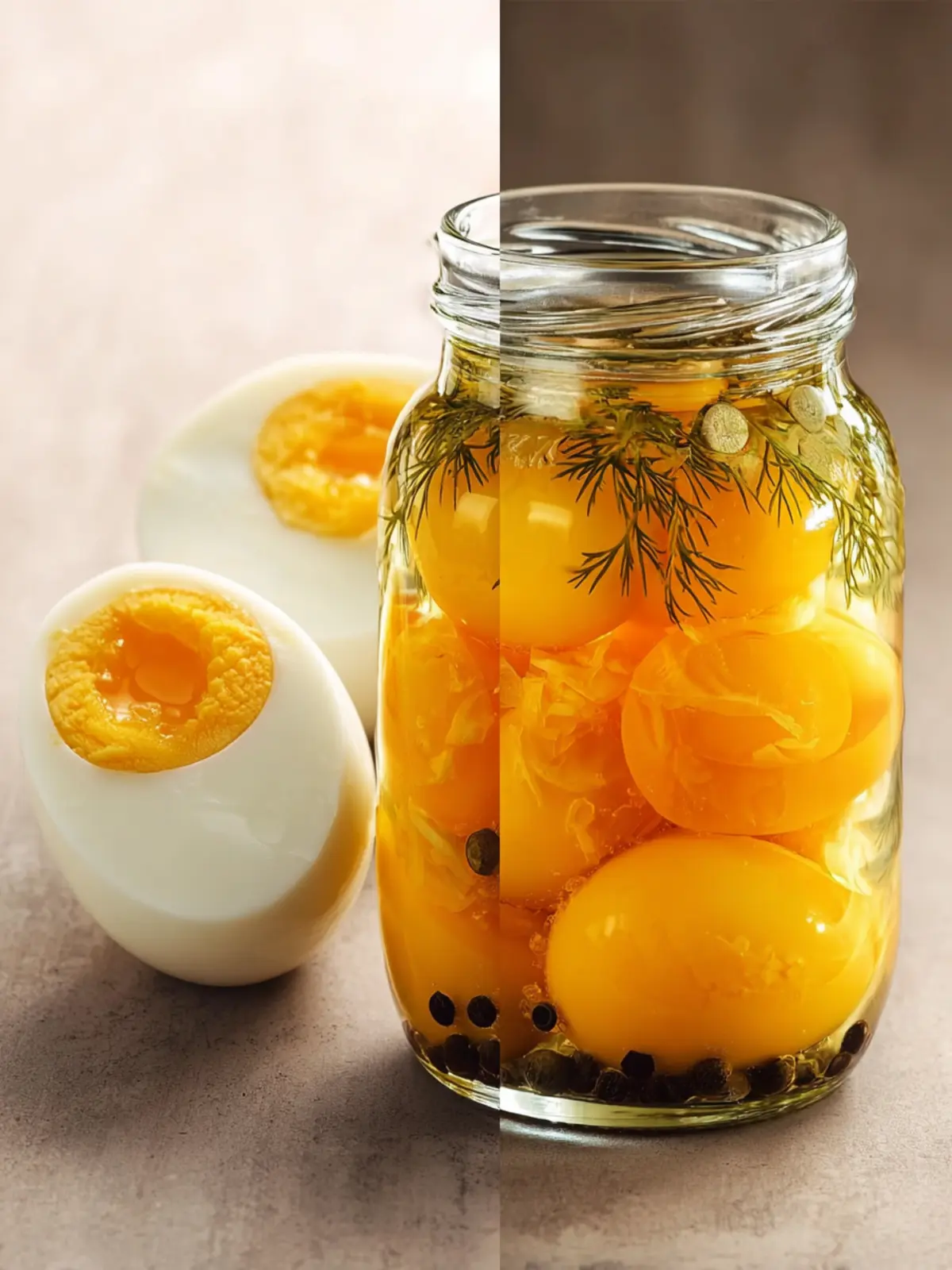
Pickled Eggs Perfection: The Best Recipe You’ll Ever Try

Introduction to Pickled Eggs
Imagine a vibrant jar of pickled eggs sitting in your fridge, waiting to be appreciated. You may wonder what makes these unique bites a delightful treat. Pickled eggs have a rich history, originating as a way to preserve eggs before refrigeration. They’re more than just a snack; they are a conversation starter, a recipe of home and creativity.
What makes pickled eggs a delightful treat? For starters, their incredible versatility allows them to fit into various culinary contexts. Whether you enjoy them as a protein-rich snack, a unique addition to your charcuterie board, or something special on a picnic, pickled eggs can elevate a simple meal to something extraordinary. Imagine the tangy flavor melding perfectly with your favorite sandwich or standing on their own as a tasty post-work snack.
Additionally, pickled eggs are marvelously colorful. A few simple ingredients can yield stunning results, especially when using ingredients like beet juice for a vibrant hue. They can be customized with various spices, herbs, and even hot peppers, allowing you to create your own signature version.
There’s also an element of nostalgia with pickled eggs. Many of us may remember them from backyard barbecues or family gatherings where Aunt Betty brought her famous jar of pickled eggs. These traditions are often passed down, invoking memories of laughter, family recipes, and a communal love for good food.
On a practical note, pickled eggs are a great way to extend the life of your eggs, making them last for weeks when stored properly. This not only reduces food waste but also gives you a delicious way to enjoy eggs long after they’ve been boiled.
In essence, the charm of pickled eggs lies in their blend of tradition, creativity, and practicality, making them a standout choice whether you’re cooking for yourself or hosting a gathering. So, let’s dive deeper into how to make your very own pickled eggs.
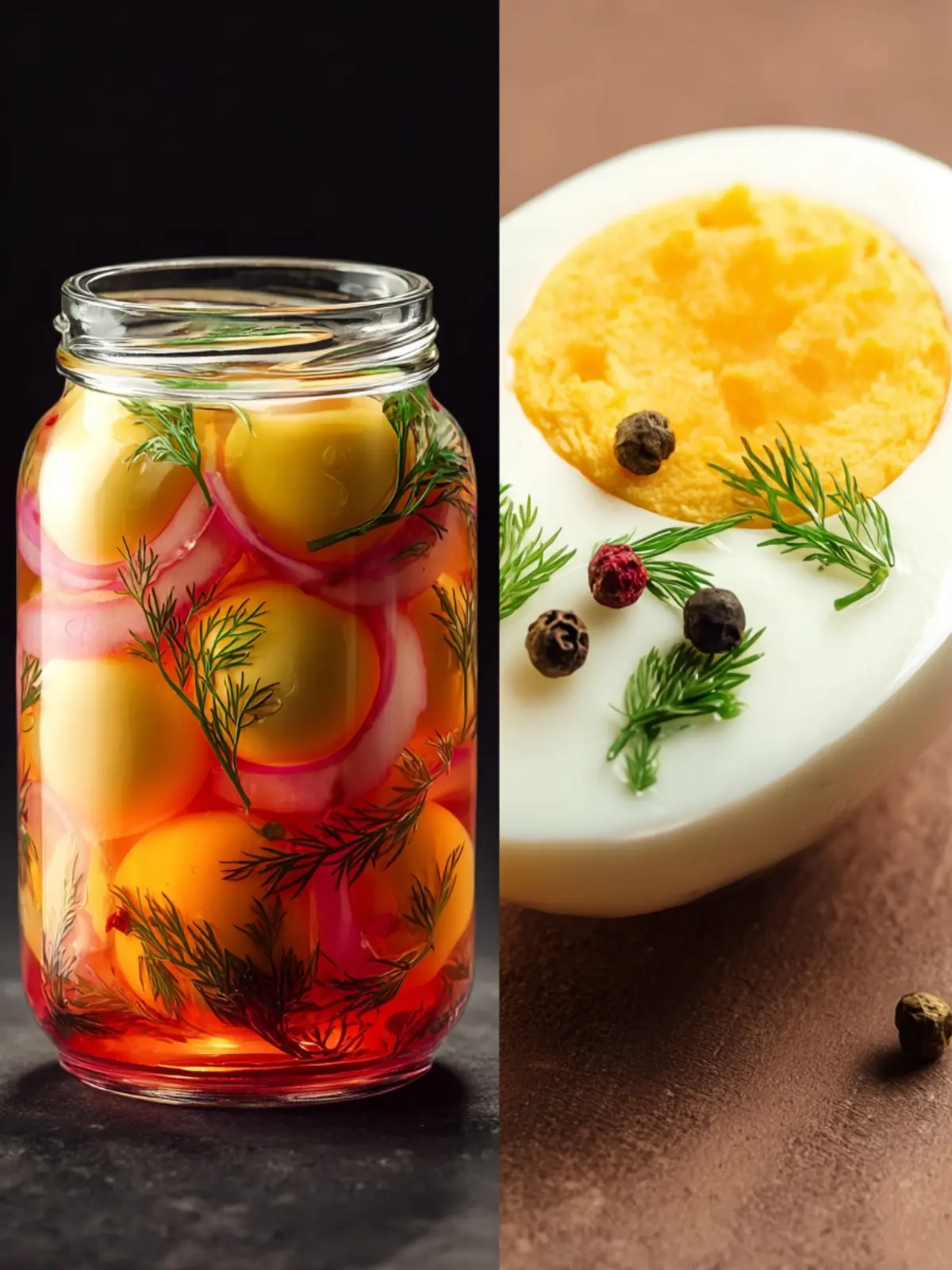
Key Ingredients for Pickled Eggs
Pickled eggs are a delightful treat, perfect for enhancing salads, serving at parties, or enjoying as a flavorful snack. At the heart of this recipe lies a combination of key ingredients that contribute to the robust flavor and tangy profile of these eggs.
Eggs: Hard-boiled eggs serve as the foundation of this recipe. I prefer using large eggs because they pack in flavor and texture beautifully. Their creamy yolks complement the pickling process and absorb the accompanying spices delightfully.
White Vinegar: This is the key component for that tangy pickling flavor. It’s essential for creating that sharp bite that makes pickled eggs truly satisfying.
Water: Balances the vinegar, ensuring the pickling solution isn’t overwhelmingly strong. This ratio is crucial for achieving that perfect balance of flavors.
Sugar: A touch of sugar offsets the acidity of the vinegar, enhancing the overall flavor. It rounds out the sharpness, making every bite enjoyable.
Salt: Essential for seasoning and preserving the eggs. It not only brings flavor but also aids in the curing process.
Onion and Garlic: These aromatics provide depth to the pickling solution. Their flavors infuse into the eggs, enriching each bite.
Fresh Dill, Bay Leaf, and Black Peppercorns: These spices infuse the eggs with robust flavors, elevating the taste experience and adding complexity to the pickling brine.
With these key ingredients, your homemade pickled eggs will shine as a standout in any dish!
Why You’ll Love This Recipe
Creating pickled eggs at home is not just an act of culinary exploration; it’s an opportunity to infuse your kitchen with memories. Imagine a cozy Sunday afternoon spent experimenting with flavors that remind you of family gatherings or summer picnics. If you’ve never tried making pickled eggs, you’re in for a delightful surprise!
One of the most compelling aspects of this recipe is the blend of flavors. You’ll appreciate how the vinegar brings a zesty brightness, while spices like garlic and mustard seeds add complexity and warmth. Dipping into that tangy, carefully crafted brine is like tasting a bite of nostalgia.
Another reason to love this recipe? It’s incredibly versatile! You can enjoy your pickled eggs straight from the jar, slice them on salads, or use them to elevate your sandwiches. They not only look stunning—those vibrant hues can brighten up any meal—but they also pack a punch, adding protein and flavor without overwhelming your dish.
Finally, making pickled eggs is an excellent way to reduce food waste. Those leftover hard-boiled eggs that usually sit in your fridge? Now they can be transformed into something extraordinary. Treat yourself to this simple yet impressive recipe that will keep you returning for more!
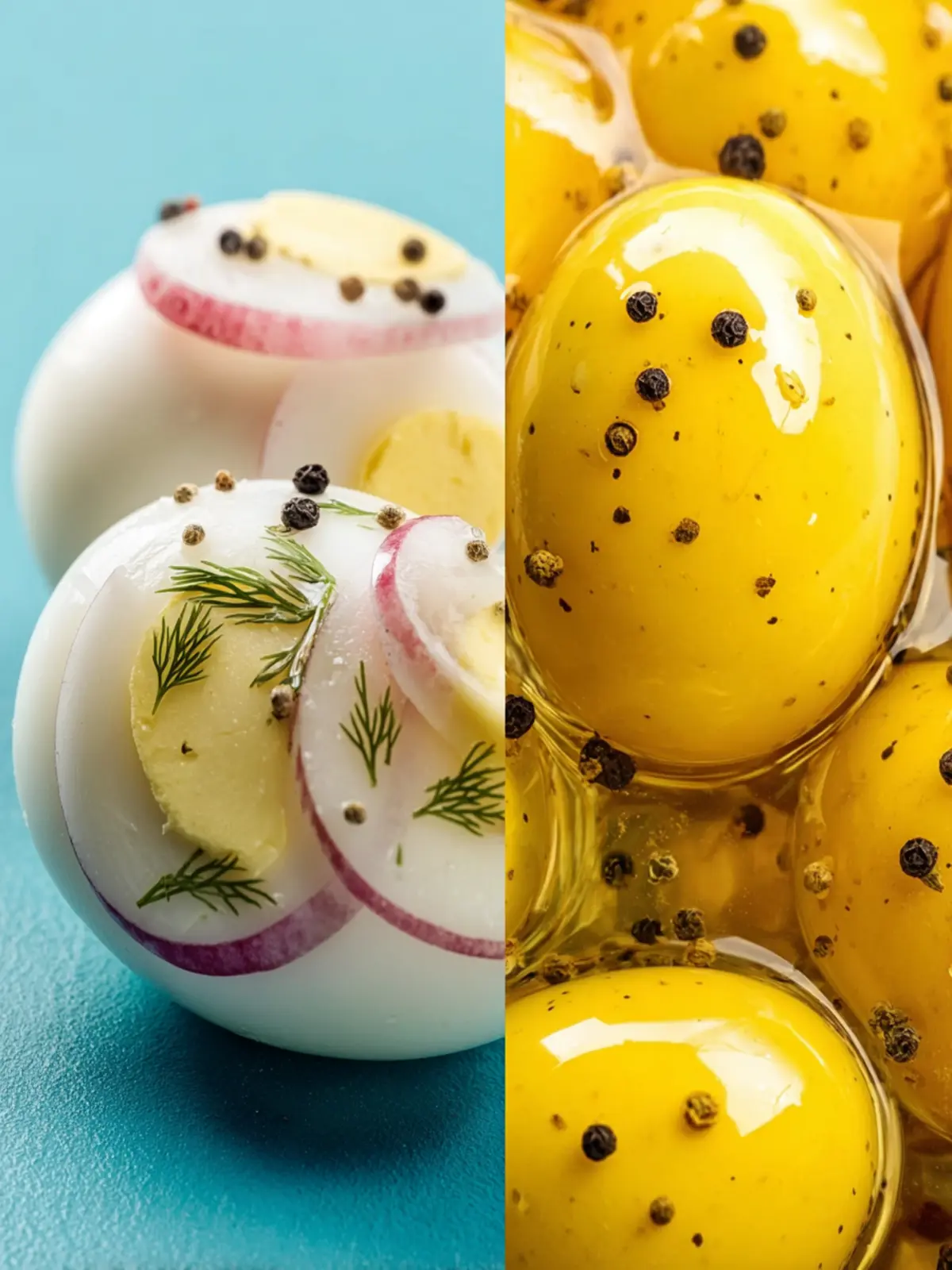
Variations on Pickled Eggs
Exploring the world of pickled eggs opens up a delightful adventure for your taste buds. While the classic recipe holds a special place in our hearts, experimenting with variations can bring new life to this timeless snack.
Spicy Pickled Eggs
For those who crave a kick, consider adding sliced jalapeños or crushed red pepper flakes to your pickling brine. This addition infuses the pickled eggs with heat and flavor, creating an irresistible treat for the spice enthusiasts among us.
Beet-Infused Eggs
Do you love the vibrant color of beets? Using beet juice as part of your pickling solution not only adds a stunning hue but also a subtle sweetness. The deep magenta shells will make your pickled eggs a show-stopping appetizer at any gathering.
Herb-Citrus Twist
Enhancing your brine with fresh herbs like dill or thyme can take your pickled eggs to the next level. Add in some citrus zest or juice for a refreshing twist that brightens the overall flavor. Imagine serving these herb-infused beauties on a charcuterie board!
Sweet and Tangy Mix
For those who enjoy a little sweetness, mix vinegar with honey or agave syrup. This creates a wonderful balance between the tang of the vinegar and the sweetness, making for a delightful bite that is both unique and mouthwatering.
Each bite of your pickled eggs can tell a new story, so don’t hesitate to let your creativity shine!
Cooking Tips and Notes for Pickled Eggs
Creating the perfect batch of pickled eggs is not merely a process; it’s a culinary adventure that unfolds delicately over time. These vibrant bites pack a punch of flavor and are a fantastic way to spruce up any gathering or even a quiet evening at home. Here are some handy tips to help you succeed.
Choose Quality Eggs
When making pickled eggs, always opt for the freshest eggs available. Free-range or organic eggs often yield a richer taste and firm texture, making your final product even more delicious.
Brine Balance is Key
The brine is where the magic happens. A good balance of vinegar, water, and spices is essential for flavor. Experiment with ratios! A classic mix typically involves equal parts water and vinegar with your choice of spices, but don’t hesitate to tweak it according to your palate.
Infusing Flavors
Feeling adventurous? Consider adding unique spices or aromatics like garlic, dill, or hot peppers. Letting your eggs sit longer in the brine will intensify the flavors. A week is great for that classic taste, but feel free to test your patience—some say it gets even better after two weeks!
Cleanliness Counts
Don’t forget to sterilize your jars and lids! This step is crucial for keeping your pickled eggs safe and tasty. A clean environment will prevent unwanted bacteria from spoiling your creation.
Storage and Shelf Life
Store your pickled eggs in the fridge to keep them fresh. They can last up to three months, but they rarely stick around that long in my household! Always use a clean fork or spoon when removing eggs from the jar to maintain freshness.
Enjoy the process, and savor the unique flavors your pickled eggs will bring to your culinary repertoire!
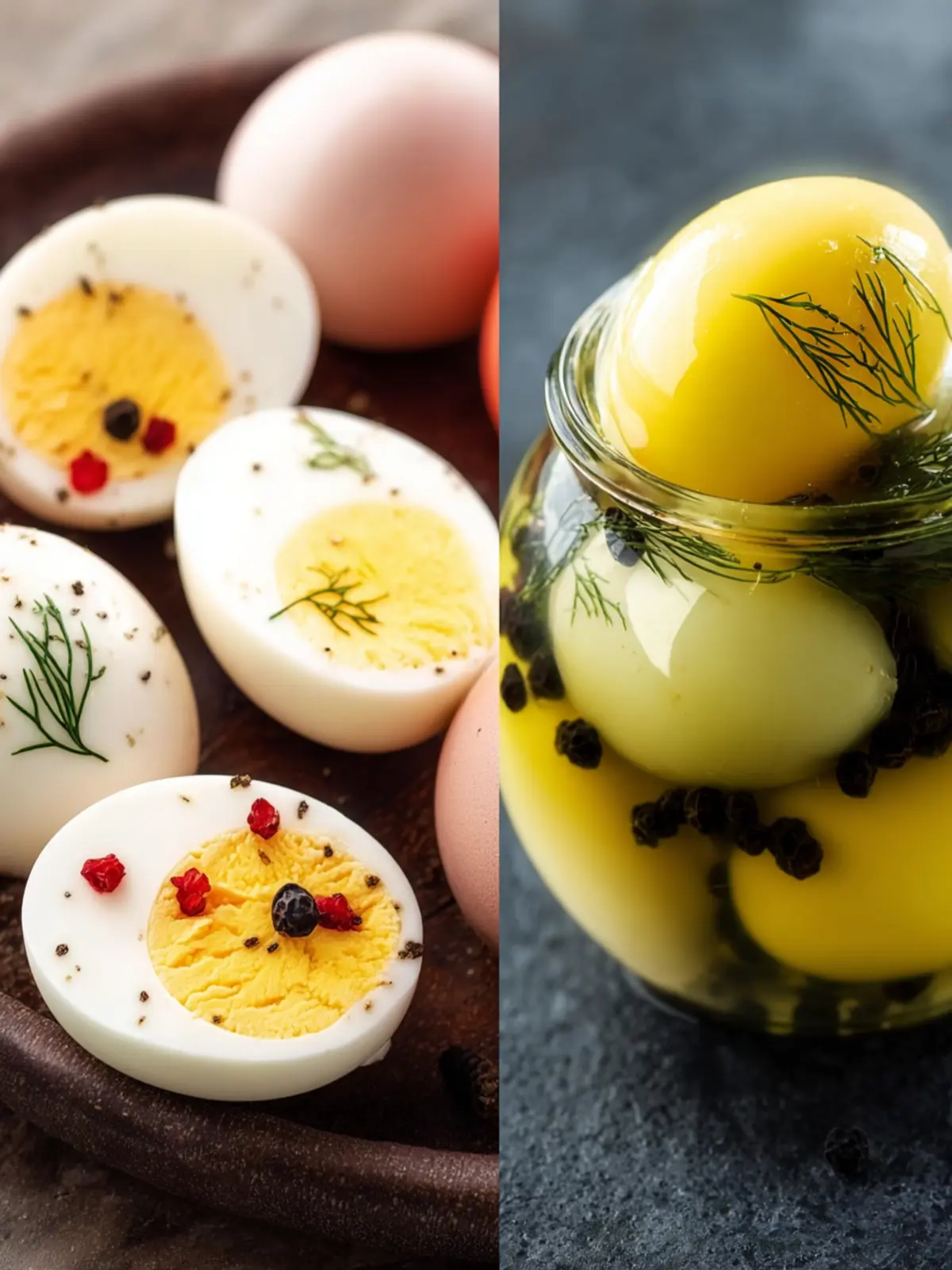
Serving Suggestions for Pickled Eggs
In the delightful world of pickled eggs, the versatility is truly astonishing. From a simple appetizer to a unique addition to your favorite dishes, pickled eggs can effortlessly elevate your culinary game.
As a Standalone Snack
Enjoy these tangy treats straight from the jar! Their zesty flavor pairs beautifully with crackers or bread, making them perfect for impromptu gatherings.
In Salads
Chop your pickled eggs and incorporate them into a classic potato or garden salad. The acidity adds a refreshing twist, cutting through the richness and making each bite pop with flavor.
With Charcuterie Boards
Integrate pickled eggs into charcuterie boards for a delightful tartness that complements cured meats and cheeses. Their vibrant color can also make your spread visually appealing.
As a Sandwich Filling
Create a unique twist on the classic egg salad by mixing diced pickled eggs with mayonnaise, mustard, and fresh herbs. Spread it on bread or enjoy it as a filling for wraps—delicious!
With so many ways to serve them, pickled eggs are not only delicious but also a fun culinary adventure waiting for you to explore.
Time Breakdown for Pickled Eggs
Creating your own pickled eggs can be a delightful culinary adventure that rewards your taste buds and adds a unique touch to snacks or salads. Understanding the time commitment involved can help you plan the process seamlessly.
Preparation Time
For the pickled eggs recipe, the preparation takes roughly 15 minutes. You’ll need to hard-boil the eggs, cool them, and get your pickling brine ready. It’s an easy step that sets the flavor foundation for your vibrant pickled delicacies.
Pickling Time
Once your eggs are prepped and submerged in the brine, they require about 1 to 2 weeks of pickling time. This waiting period allows the flavors to blend beautifully, resulting in eggs that burst with tangy goodness.
Total Time
In total, you’re looking at around 1 to 2 weeks. While the hands-on time is minimal, the wait is well worth it for those deliciously tangy pickled eggs that brighten up any meal or snack!
Nutritional Facts for Pickled Eggs
Exploring the delightful world of pickled eggs is as rewarding as it is tasty. These tangy snacks offer more than just flavor; they also pack a nutritional punch.
Calories
A serving of pickled eggs contains approximately 80 calories. This makes them a low-calorie option for those looking to satisfy their snack cravings without overwhelming their daily caloric intake.
Protein
You’ll find around 7 grams of protein in just one pickled egg. They’re not only filling but also an excellent source of protein, making them ideal for a quick energy boost.
Sodium
One important thing to consider is sodium content. A serving of pickled eggs typically contains about 200-300 mg of sodium, so if you’re monitoring your salt intake, it’s good to enjoy these tangy treats in moderation.
Incorporating pickled eggs into your diet can be a delicious way to enjoy the benefits of eggs while adding variety to your snacks!
FAQs about Pickled Eggs
Curiosity often piques when it comes to pickled eggs, a delightful treat that carries a unique charm. Let’s dive into some common questions surrounding these tangy treasures to help you enjoy them even more.
How long do pickled eggs last in the fridge?
Once you’ve mastered your pickled egg recipe, you’ll want to know how to store them properly. Generally, pickled eggs can last in the fridge for about 3 to 4 months if they are stored in a sealed jar and submerged in the brine. Over time, they may lose their crunch and flavor intensity, so it’s best to enjoy them within the first month for optimal taste!
Can I use different vinegar types for pickled eggs?
Absolutely! Experimenting with various vinegar types can lead to exciting flavor profiles in your pickled eggs. Common choices include:
- White vinegar: Offers a classic, tangy flavor.
- Apple cider vinegar: Adds a slightly sweet, fruity note.
- Red wine vinegar: Brings a robust depth and beautiful color.
- Rice vinegar: Gives a milder, smoother taste.
Feel free to mix and match to discover which vinegar suits your palate best!
What are some serving ideas for pickled eggs?
The versatility of pickled eggs allows for numerous serving possibilities. Here are a few creative ideas to inspire you:
- Snack or appetizer: Serve them chilled, garnished with fresh herbs.
- Salad topping: Slice them up and add them to a green salad for a protein boost.
- Sandwich filler: Use slices in a sandwich or as a topping on your favorite burgers.
- Deviled eggs variation: Incorporate chopped pickled eggs into your deviled egg filling for a tangy twist.
Each serving suggestion elevates your culinary experience while keeping it fun and approachable!
Conclusion on Pickled Eggs
In wrapping up our exploration of pickled eggs, it’s clear that these tangy delights bring a unique twist to your culinary repertoire. Not only are they easy to prepare, but they also serve as a fun conversation starter at gatherings or a savory snack during the week. The beauty of homemade pickled eggs lies in their versatility—experiment with various spices and vinegar types until you find your perfect blend! So why not dive in and give this recipe a try? You might just discover a new favorite addition to your fridge that elevates everything from salads to charcuterie boards. Enjoy your pickling adventure!
Print
Pickled Eggs
- Total Time: 1 hour 40 minutes
- Yield: 1 quart jar 1x
- Diet: Vegetarian
Description
A delicious way to preserve eggs with a tangy flavor.
Ingredients
Scale
- 8 large eggs (hard boiled)
- 1 1/4 cups white vinegar
- 3/4 cup water
- 2 tablespoons sugar (see note)
- 1 tablespoon salt
- 1/2 small yellow onion (sliced)
- 3 garlic cloves (smashed)
- 1 tablespoon fresh dill (or several sprigs)
- 1 bay leaf
- 1 teaspoon black peppercorns
Instructions
- To hard boil eggs: Place eggs in a single layer in a sauce pan. Add enough water to cover them completely. Bring to a roaring boil. Turn off heat, and cover pan. Let sit for 12 minutes. Transfer to a bowl filled with ice water for 5 minutes. Peel the eggs.
- Bring the water and vinegar to a boil in a small saucepan. Stir in the sugar and salt until it has dissolved. Remove from the heat.
- Fill a 1 quart mason jar with the eggs, onion, garlic, dill, bay leaf, and black peppercorns. Top with the vinegar mixture. Seal and refrigerate for 24 hours before eating. Enjoy within 3 to 4 months for best quality. Please note that this recipe is intended for refrigeration only and not for canning.
Notes
- This recipe is intended for refrigeration only and not for canning.
- Prep Time: 10 minutes
- Cook Time: 30 minutes
- Category: Appetizer
- Method: Refrigeration
- Cuisine: American
Nutrition
- Serving Size: 1 egg
- Calories: 70
- Sugar: 1
- Sodium: 300
- Fat: 5
- Saturated Fat: 1.5
- Unsaturated Fat: 3
- Trans Fat: 0
- Carbohydrates: 1
- Fiber: 0
- Protein: 6
- Cholesterol: 186